- Events
-
Partners
- Government
- Customer Portal
- Contact Us
- Contact Sales
-
English
User activity monitoring is the process of actively monitoring and tracking the behavior of employees across IT resources owned by your company, such as devices and networks. This is often achieved via user activity monitoring software, which makes it easier to log user activity. Many businesses rely on employee activity tracking to identify and protect against security insider threats that originate from within the organization, whether those threats are intentionally malicious or not.
Depending on the size, needs, and objectives of an organization, the methods of monitoring user activity may vary. There are many advantages to using activity monitoring software to create and analyze user activity logs. While no system is absolutely foolproof or invulnerable, a robust monitoring system can help administrators more easily identify suspicious behavior, reduce information security risks across the network, and help to lessen the damage or cost should a data breach occur. User activity tracking makes use of proactive surveillance to identify behavior that could signal potential exploitations of access privileges or policies related to sensitive data protection across the company’s information infrastructure.
User activity monitoring software is an efficient way to monitor a wide variety of user activities at once, from system and data functions to application and network actions. To effectively monitor user activity:
The main goal of user activity monitoring is security—making sure sensitive information is protected, is only accessible to the necessary stakeholders, and follows compliance regulations pertaining to security and data privacy. Effective user activity monitoring software can allow IT administrators to swiftly detect and address suspicious user activity to prevent or mitigate the potential damage caused by users sending protected or unauthorized data to public clouds or using resources for personal or risky activities that could leave the company open to attack.
Analysis is an essential part to proper security monitoring, and filtering through the data collected by monitoring user behavior is also important. Some of these events can include: potential cybersecurity risks, unusual network traffic, user account changes, and authentication failures. Real-time risk identification is helpful when analyzed against historical logs of user activity. Monitoring user behavior can assist in diagnosing risky, suspicious, or inappropriate actions that could have serious repercussions for the company, such as phishing attacks or data breaches.
There are usually three primary components to user activity monitoring software:
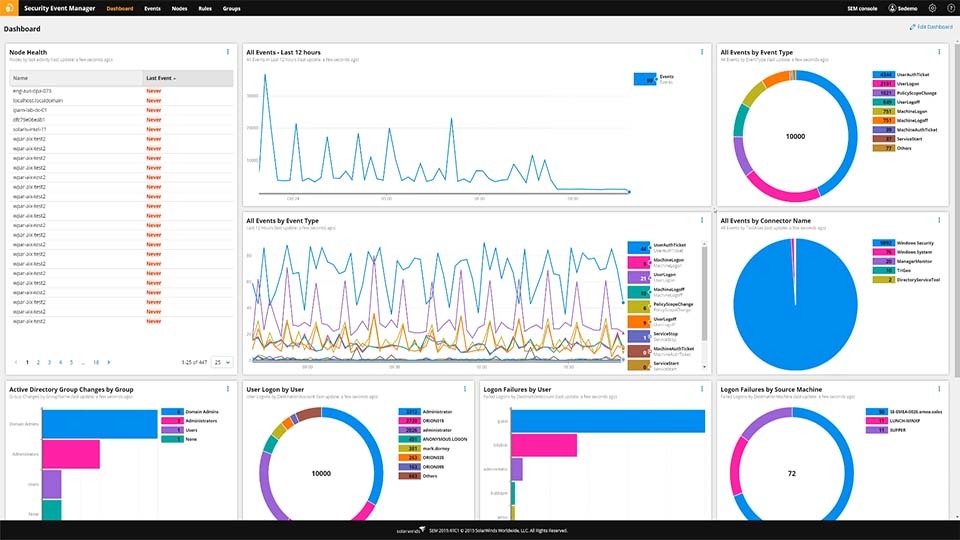
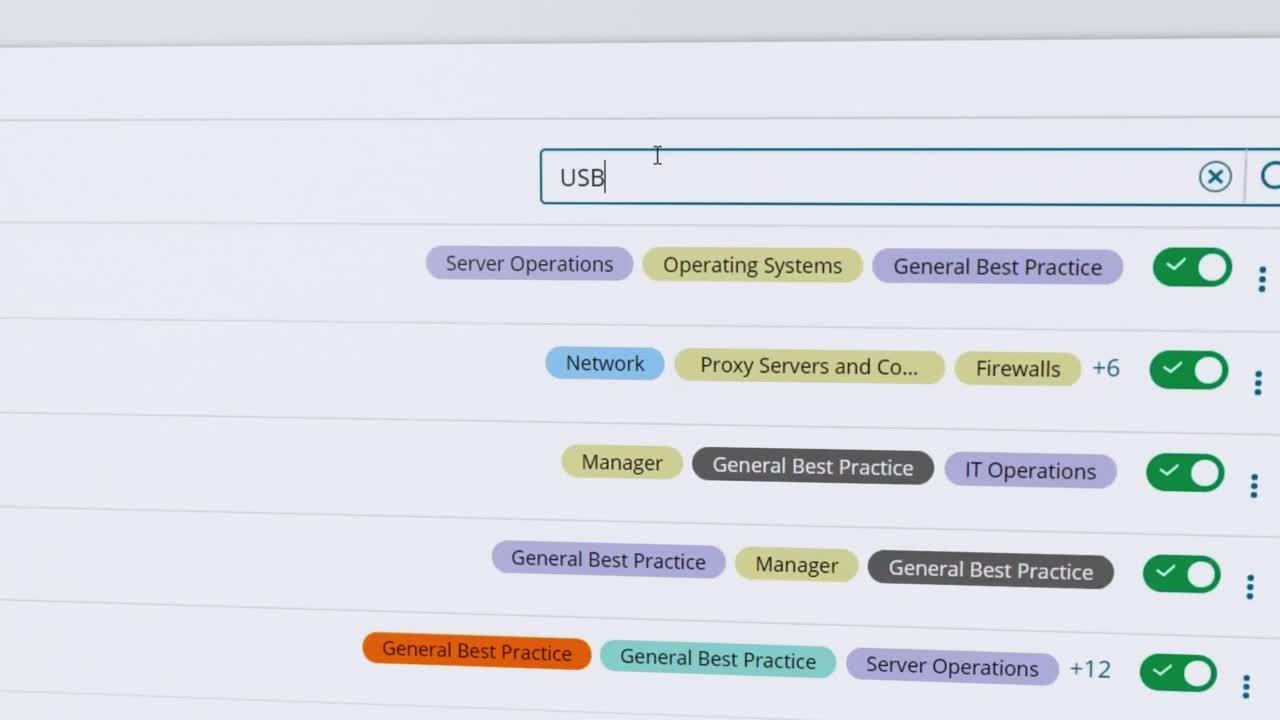
SolarWinds Security Event Manager is a powerful SIEM tool designed to give administrators system-wide data and user activity monitoring, allowing for more efficient responses to threat detection. The powerful tools in SEM can enable you to identify and respond to security threats in real time, helping mitigate potential harm. Security Event Manager allows you to create and customize automated responses that will automatically intervene should users trigger alerts by performing high-risk actions. These auto-responses can be used to block IP addresses or USB devices, modify a user’s privileges, kill applications, and more. Quickly responding to security incidents is integral to maintaining best practices, and swift responses could potentially save your organization from fines, penalties, or legal action.
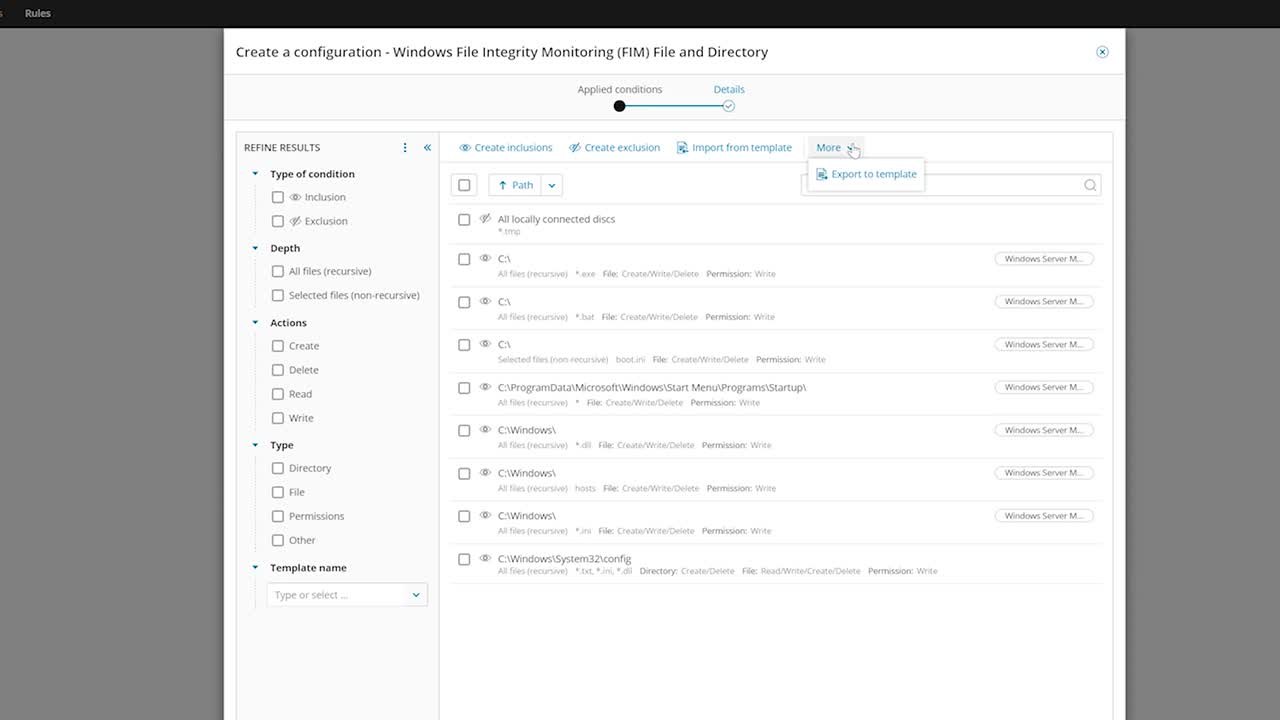
Other features of Security Event Manager include log management, threat detection, log normalization and correlation, forwarding, reporting, file integrity monitoring, USB detection, threat prevention, threat intelligence, and an active response solution—all within one virtual appliance built to be easy to deploy, manage, and use.
User activity monitoring is the process of actively monitoring and tracking the behavior of employees across IT resources owned by your company, such as devices and networks. This is often achieved via user activity monitoring software, which makes it easier to log user activity. Many businesses rely on employee activity tracking to identify and protect against security insider threats that originate from within the organization, whether those threats are intentionally malicious or not.
Depending on the size, needs, and objectives of an organization, the methods of monitoring user activity may vary. There are many advantages to using activity monitoring software to create and analyze user activity logs. While no system is absolutely foolproof or invulnerable, a robust monitoring system can help administrators more easily identify suspicious behavior, reduce information security risks across the network, and help to lessen the damage or cost should a data breach occur. User activity tracking makes use of proactive surveillance to identify behavior that could signal potential exploitations of access privileges or policies related to sensitive data protection across the company’s information infrastructure.
User activity monitoring software is an efficient way to monitor a wide variety of user activities at once, from system and data functions to application and network actions. To effectively monitor user activity:
The main goal of user activity monitoring is security—making sure sensitive information is protected, is only accessible to the necessary stakeholders, and follows compliance regulations pertaining to security and data privacy. Effective user activity monitoring software can allow IT administrators to swiftly detect and address suspicious user activity to prevent or mitigate the potential damage caused by users sending protected or unauthorized data to public clouds or using resources for personal or risky activities that could leave the company open to attack.
Analysis is an essential part to proper security monitoring, and filtering through the data collected by monitoring user behavior is also important. Some of these events can include: potential cybersecurity risks, unusual network traffic, user account changes, and authentication failures. Real-time risk identification is helpful when analyzed against historical logs of user activity. Monitoring user behavior can assist in diagnosing risky, suspicious, or inappropriate actions that could have serious repercussions for the company, such as phishing attacks or data breaches.
Security Event Manager
Easily demonstrate auditable compliance across industry-specific IT regulatory frameworks.
Be proactive about user activity security by implementing log tracking tools.
Quickly respond to user activity threats for more effective business security.