- Events
-
Partners
- Government
- Customer Portal
- Contact Us
- Contact Sales
-
English
An information security risk is the likelihood and potential consequences of a security attack, vulnerability, or threat. An information security risk refers to the damage that could occur to an IT system. Unlike a concrete danger zooming towards your IT system, a “risk” reflects the possibility of damage. For this reason, it’s easier to prevent an information theft security risk than it is to fight back against an in-progress security event.
Any incident that could potentially interfere with an IT system, service, or network is an information security risk. An information security risk could be monetary, which means the risk’s consequences will cost your organization financially. An information security risk could also be non-monetary, causing your organization to lose its reputational, legal, political, or strategic status.
Information security risks could come from anywhere—they could be associated with the operation of your IT system, the environment in which those IT systems operate, and the unauthorized use, sharing, modification, disruption, or destruction of information and your information system. These damages could negatively affect your organization’s assets, operations, individuals, and beyond.
There are many approaches to risk control in information security, but here are the basic steps for managing information theft security risk:
Information security risk control works in SolarWinds Security Event Manager (SEM) through tools designed to enable you to automate information security risk management. As opposed to other information security risk assessment tools, SEM is specifically designed to adhere to the security controls, standards, and requirements set by the U.S. government. This includes the National Institute of Standards and Technology (NIST) and Department of Defense (DoD)—which come together in a unified cybersecurity framework known as the Risk Management Framework (RMF)—as well as the Federal Information Security Management Act (FISMA). FISMA establishes the proper information security risk controls, while RMF determines the proper way to implement these risk controls.
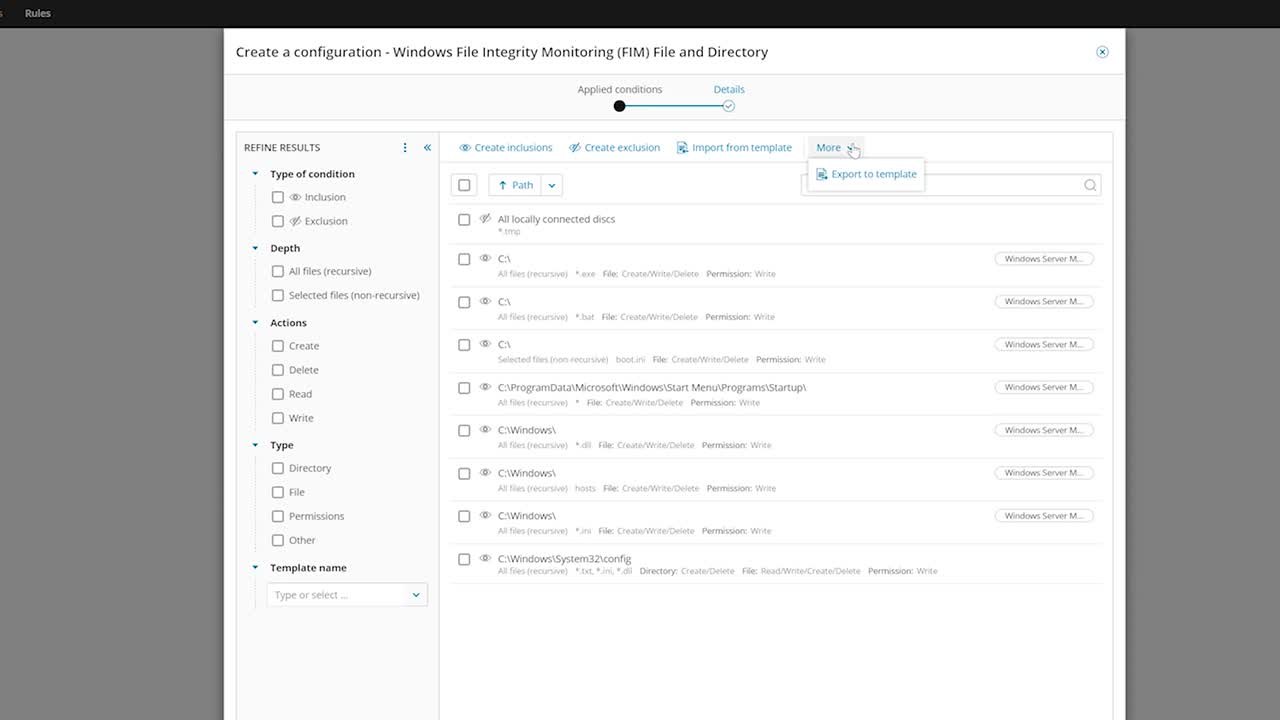
SEM is an information security risk assessment tool built to enable federal IT pros to quickly collect, correlate, and organize log data through automated information security risk management. This makes it easier for you to adhere to RMF and FISMA risk controls, increasing your information theft security risk management and ensuring the utmost security and compliance for your information systems. SEM is also built to provide out-of-the-box reports and audit templates for FISMA, RMF, HIPAA, and other requirements. You can also validate that systems, devices, and patches have been properly configured and applied from a security standpoint with SEM.
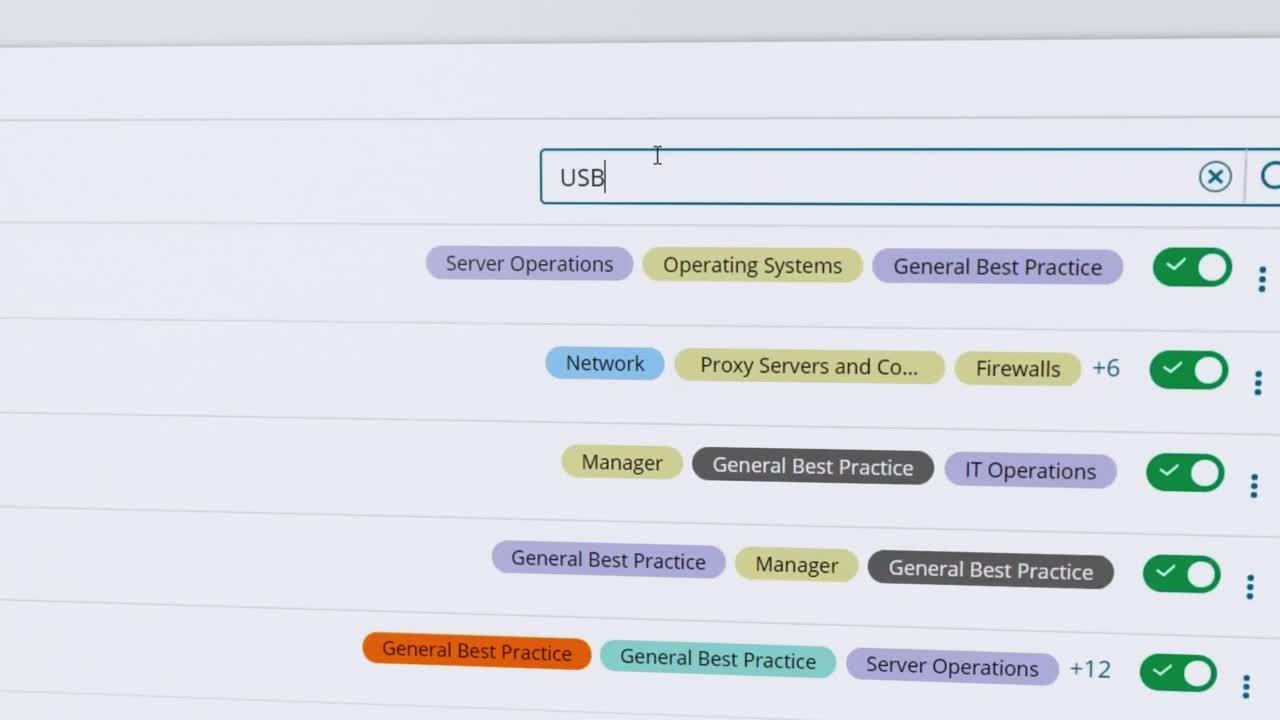
Designed to display a unified view of network-wide event logs, SEM can allow you to easily search through events and identify violations, vulnerabilities, and other information security risks. SEM is also designed to provide easy-to-set-up alarms with thresholds for automatic risk mitigation and analysis. Along with automatic alerts, SEM can enable you to set predefined rules to detect internal and external malicious activity across your network and trigger built-in responses like blocking, logging off users, and more information security risk management and remediation capabilities.
An information security risk is the likelihood and potential consequences of a security attack, vulnerability, or threat. An information security risk refers to the damage that could occur to an IT system. Unlike a concrete danger zooming towards your IT system, a “risk” reflects the possibility of damage. For this reason, it’s easier to prevent an information theft security risk than it is to fight back against an in-progress security event.
Any incident that could potentially interfere with an IT system, service, or network is an information security risk. An information security risk could be monetary, which means the risk’s consequences will cost your organization financially. An information security risk could also be non-monetary, causing your organization to lose its reputational, legal, political, or strategic status.
Information security risks could come from anywhere—they could be associated with the operation of your IT system, the environment in which those IT systems operate, and the unauthorized use, sharing, modification, disruption, or destruction of information and your information system. These damages could negatively affect your organization’s assets, operations, individuals, and beyond.
There are many approaches to risk control in information security, but here are the basic steps for managing information theft security risk:
Information security risk control works in SolarWinds Security Event Manager (SEM) through tools designed to enable you to automate information security risk management. As opposed to other information security risk assessment tools, SEM is specifically designed to adhere to the security controls, standards, and requirements set by the U.S. government. This includes the National Institute of Standards and Technology (NIST) and Department of Defense (DoD)—which come together in a unified cybersecurity framework known as the Risk Management Framework (RMF)—as well as the Federal Information Security Management Act (FISMA). FISMA establishes the proper information security risk controls, while RMF determines the proper way to implement these risk controls.
SEM is an information security risk assessment tool built to enable federal IT pros to quickly collect, correlate, and organize log data through automated information security risk management. This makes it easier for you to adhere to RMF and FISMA risk controls, increasing your information theft security risk management and ensuring the utmost security and compliance for your information systems. SEM is also built to provide out-of-the-box reports and audit templates for FISMA, RMF, HIPAA, and other requirements. You can also validate that systems, devices, and patches have been properly configured and applied from a security standpoint with SEM.
Designed to display a unified view of network-wide event logs, SEM can allow you to easily search through events and identify violations, vulnerabilities, and other information security risks. SEM is also designed to provide easy-to-set-up alarms with thresholds for automatic risk mitigation and analysis. Along with automatic alerts, SEM can enable you to set predefined rules to detect internal and external malicious activity across your network and trigger built-in responses like blocking, logging off users, and more information security risk management and remediation capabilities.
Security Event Manager
Use tools to check compliance with national standards
Detect and prevent threats to sensitive information
Execute control audits and react to detected threats with SEM