- Events
-
Partners
- Government
- Customer Portal
- Contact Us
- Contact Sales
-
English
Connecting the dots from hundreds of different event logs can be a complex process involving converting raw data into actionable insights—but it can give IT professionals the ability to make more informed responses to security threats and devise better IT policies.
SolarWinds SEM helps improve efficiency and reduces wasted time by automating event log normalization, correlation, and event correlation analysis processes. The SIEM-focused event correlation system is designed to help remove potential human error from the equation and provides the ability to automatically respond to threats with Active Response.
Event correlation in SIEM is a process of normalizing and correlating incoming logs to help you more easily detect security threats to your system. To further define event correlation in SIEM, there are two main components to understand: event correlation and SIEM.
Event correlation allows you to receive and view the total sum of the logs entering your system in a unified format. Data logs can enter your system from many sources and in different formats. Without an event correlation tool, you may find it difficult to understand how multiple, disparate logs may be related. As a result, event correlation is the process of normalizing incoming logs into a common readable format.
While event correlation is useful for identifying and troubleshooting security issues in your system, SIEM (security information and event management) is the more broadly defined process of understanding security threats to your network through monitoring systems information to detect unusual events.
Viewing logs in a unified format is key to monitoring logs for security events and an important feature of any comprehensive SIEM tool. Once logs are normalized by event correlation software, a unified format can help you detect security events as they occur. Event correlation software can also allow you to better understand the sources from which the logs arrived to more easily identify trends in incoming logs. With SIEM correlation software, you can monitor event data in real time for quicker intrusion detection.
As the diverse components of your network infrastructure operate, their actions are recorded and communicated via logs. Each device in your system provides a unique type of log, depending on its output format. Logs might be documented in different computing languages, including binary machine code intended for transmission to the CPU. These formats vary based on the documentation protocol of each item in your infrastructure.
Identifying security events quickly often requires a keen understanding of how the logs in your system are related to one another. In the case of a cyberattack, there may not be a highly suspicious volume of logs from an individual device—yet the overall operations of your system may be running out of line.
Event correlation software can allow you to more easily identify these broad patterns in your system operations by automatically normalizing the logs collected even from a high volume of infrastructure items. As you receive a wide range of log types from anti-malware programs, application-layer items, to other physical and virtual components of your servers, event correlation software can help you identify unusual patterns more easily. Effective event correlation software is designed to help you remove the hassle from threat detection, so you can resolve security problems faster.
Event correlation allows you to protect your system from attacks by identifying unusual activity. Cyberattackers are sophisticated, so your SIEM operations need to be too. Even though anti-malware tools like firewalls are important for a complete security approach, cyberattackers who gain privileged access to your system can slip under the radar of a firewall and interact with your system from the inside. To keep up with today’s diverse range of security threats, SIEM software can help you identify unusual systems activity using normalized log data for better event correlation analysis.
When you automate the event correlation process, you can help prevent crucial downtime and human errors. Analyzing disparate log data can be a time-consuming process, with the potential for security threats to go under your radar. Event correlation tools can help you quickly understand events in your logs in real time for more effective intrusion detection.
SolarWinds Security Event Manager (SEM) is built to provide a more detailed approach to event correlation using event management software.
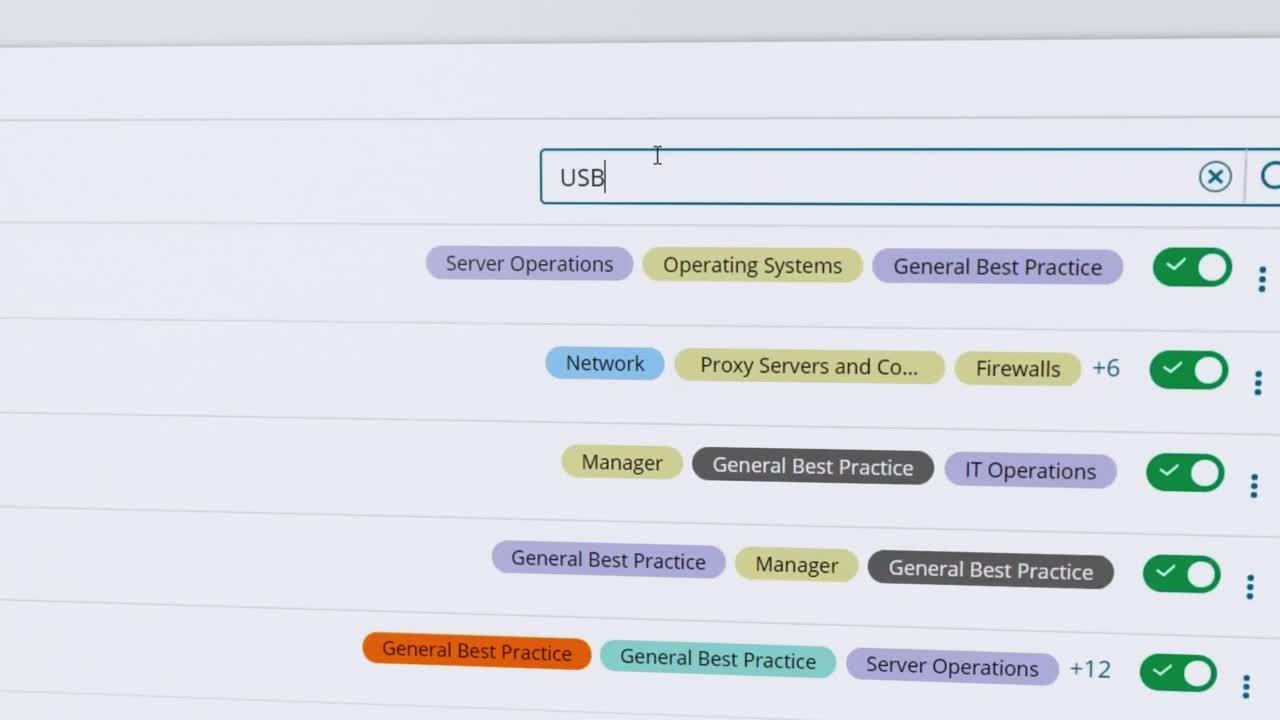
With SEM, you can manage and customize correlation rules by creating event groups from your own correlation rules. Once a potential security threat is identified based on correlated event data, SEM can allow you to respond to suspicious activity swiftly and effectively with the integrated Active Response tool. Using Active Response, you can establish automated actions to respond to specific types of security threats like blocking IP addresses, changing privileges, killing applications, disabling use accounts, and more. Additionally, you can generate SEM event correlation reports in a variety of audit-ready formats to help you demonstrate compliance with industry security standards.
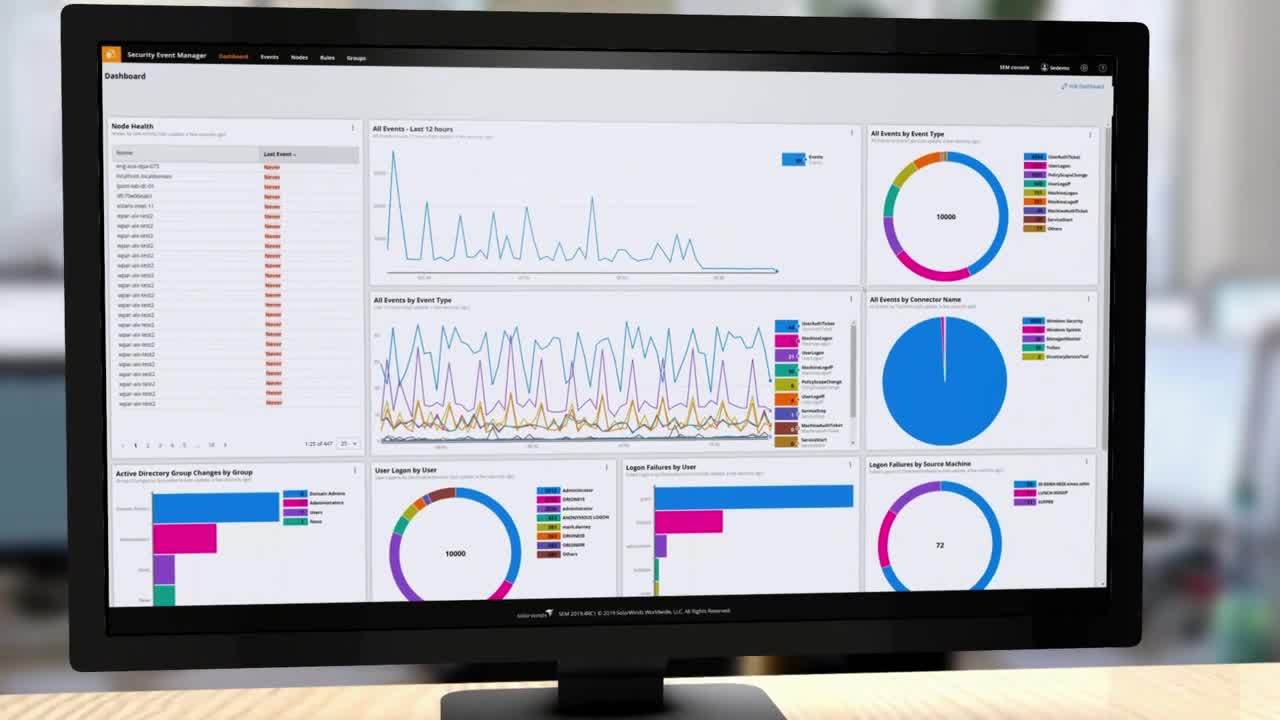
With real-time event correlation and management from a user-friendly control center, SolarWinds Security Event Manager can provide the tools you need to establish an accurate, effective, and efficient approach to event analysis.
Other SolarWinds security solutions:
Related features:
Event correlation in SIEM is a process of normalizing and correlating incoming logs to help you more easily detect security threats to your system. To further define event correlation in SIEM, there are two main components to understand: event correlation and SIEM.
Event correlation allows you to receive and view the total sum of the logs entering your system in a unified format. Data logs can enter your system from many sources and in different formats. Without an event correlation tool, you may find it difficult to understand how multiple, disparate logs may be related. As a result, event correlation is the process of normalizing incoming logs into a common readable format.
While event correlation is useful for identifying and troubleshooting security issues in your system, SIEM (security information and event management) is the more broadly defined process of understanding security threats to your network through monitoring systems information to detect unusual events.
Viewing logs in a unified format is key to monitoring logs for security events and an important feature of any comprehensive SIEM tool. Once logs are normalized by event correlation software, a unified format can help you detect security events as they occur. Event correlation software can also allow you to better understand the sources from which the logs arrived to more easily identify trends in incoming logs. With SIEM correlation software, you can monitor event data in real time for quicker intrusion detection.
As the diverse components of your network infrastructure operate, their actions are recorded and communicated via logs. Each device in your system provides a unique type of log, depending on its output format. Logs might be documented in different computing languages, including binary machine code intended for transmission to the CPU. These formats vary based on the documentation protocol of each item in your infrastructure.
Identifying security events quickly often requires a keen understanding of how the logs in your system are related to one another. In the case of a cyberattack, there may not be a highly suspicious volume of logs from an individual device—yet the overall operations of your system may be running out of line.
Event correlation software can allow you to more easily identify these broad patterns in your system operations by automatically normalizing the logs collected even from a high volume of infrastructure items. As you receive a wide range of log types from anti-malware programs, application-layer items, to other physical and virtual components of your servers, event correlation software can help you identify unusual patterns more easily. Effective event correlation software is designed to help you remove the hassle from threat detection, so you can resolve security problems faster.
Event correlation allows you to protect your system from attacks by identifying unusual activity. Cyberattackers are sophisticated, so your SIEM operations need to be too. Even though anti-malware tools like firewalls are important for a complete security approach, cyberattackers who gain privileged access to your system can slip under the radar of a firewall and interact with your system from the inside. To keep up with today’s diverse range of security threats, SIEM software can help you identify unusual systems activity using normalized log data for better event correlation analysis.
When you automate the event correlation process, you can help prevent crucial downtime and human errors. Analyzing disparate log data can be a time-consuming process, with the potential for security threats to go under your radar. Event correlation tools can help you quickly understand events in your logs in real time for more effective intrusion detection.
SolarWinds Security Event Manager (SEM) is built to provide a more detailed approach to event correlation using event management software.
With SEM, you can manage and customize correlation rules by creating event groups from your own correlation rules. Once a potential security threat is identified based on correlated event data, SEM can allow you to respond to suspicious activity swiftly and effectively with the integrated Active Response tool. Using Active Response, you can establish automated actions to respond to specific types of security threats like blocking IP addresses, changing privileges, killing applications, disabling use accounts, and more. Additionally, you can generate SEM event correlation reports in a variety of audit-ready formats to help you demonstrate compliance with industry security standards.
With real-time event correlation and management from a user-friendly control center, SolarWinds Security Event Manager can provide the tools you need to establish an accurate, effective, and efficient approach to event analysis.
Other SolarWinds security solutions:
Related features:
Security Event Manager
Unify and extract actionable intelligence from all your logs in real time.
Expedite threat response against malicious IPs, accounts, applications, and more.
Get out-of-the-box compliance reporting for HIPAA, PCI DSS, SOX, ISO, and more.