- Events
-
Partners
- Government
- Customer Portal
- Contact Us
- Contact Sales
-
English
Credential theft and privileged account escalation are two of the most common events that happen before SQL security attacks. SQL server audit tools can help organizations understand how access control plays a major role in database security, as they track user permissions and potential database user account misuse.
With Security Event Manager (SEM), you can track, report, and alert on unauthorized user login attempts within the database, and generate SQL server audit log reports for compliance purposes.
Get More on SQL Server Audit Logs
Do you find yourself asking…
A SQL server audit log is a file created during an audit of Microsoft SQL Server that lists the results. Running audits of SQL servers is essential to identifying SQL server security issues and potential breaches on the server. Auditing SQL is also a requirement to be in compliance with regulations like PCI DSS, HIPAA, and GDPR. To demonstrate compliance, organizations may be legally required to audit SQL server access records, report suspicious or malicious activity, or track login attempts, security changes, and other potential attack vectors.
The function of a SQL server audit is to combine different elements into a single record in reference to a specific set of server or database actions. During an audit, the object being audited collects a single instance of actions across the server or database to monitor. Determining the components to monitor during the audit is called “defining” the audit. By setting SQL Server audit specifications at the server and the database level, SQL server audits can help provide insights into relevant database or server activity.
When managing an audit in SQL server, it is important to create an audit specification object, which defines the events in the server and database that will be logged in the audit report. When defining which object will be undergoing the audit, you will also define a target where the SQL audit log files will be written, which can be a file, the Windows Security event log, or the Windows Application event log.
SQL server audit tools can read database transaction logs and audits to provide information about data and object changes that affect the database. Information about the user, application, or user that created each change on the server or database can be recorded, providing an added layer of security and accountability when looking to maintain best practices to keep a network free from malicious forces. SQL audit tools should include in-depth search capabilities, allowing network administrators to better understand the events taking place across the network in real time. Collecting and archiving SQL audit logs can also create a historical record to support forensic analysis and troubleshooting.
In addition to being required for certain regulatory compliance standards, SQL audit logs are important because they provide information that can be used to assess the security of SQL servers and databases. By using a central log management system to collect and normalize log data alongside SQL server audit logs, organizations can help improve their overall security monitoring strategy with comprehensive SQL server security insights.
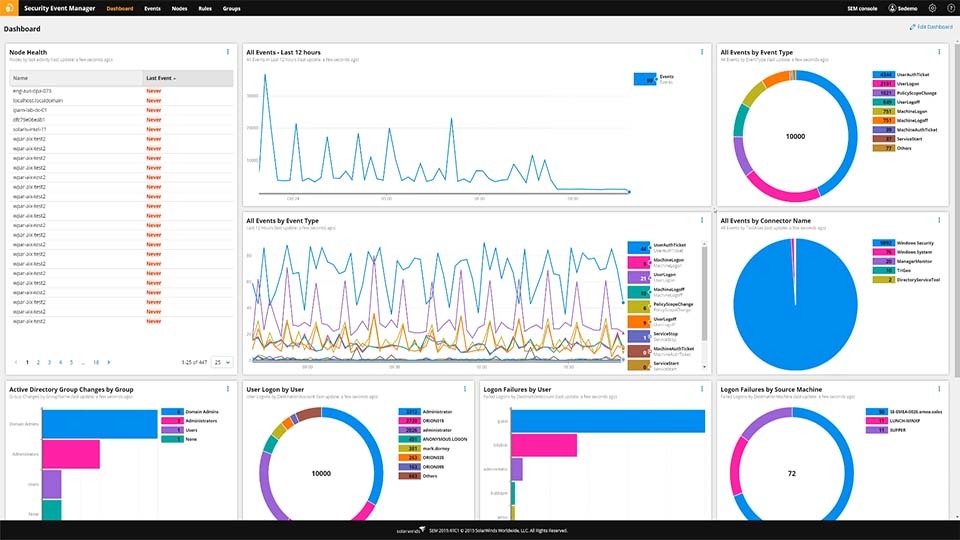
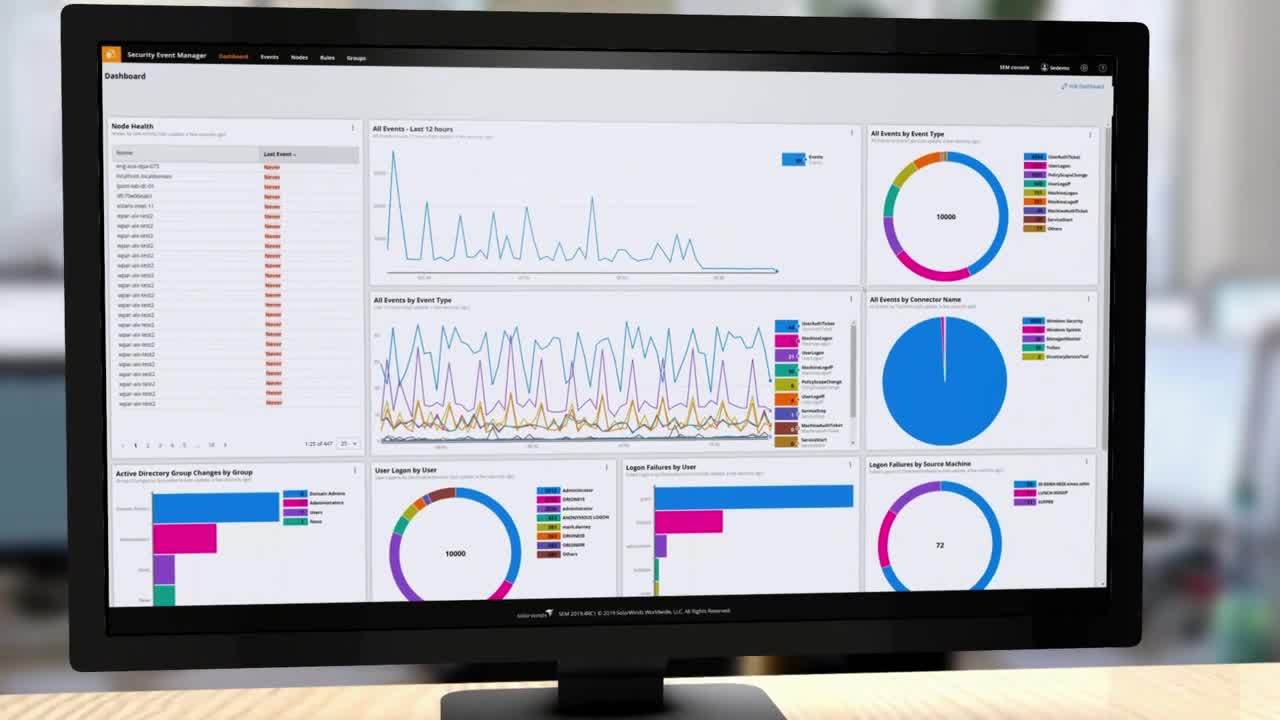
The SQL server audit tools in Security Event Manager work to simplify cybersecurity and compliance by integrating a variety of monitoring processes into easy-to-use and understandable dashboards. SEM includes live filtering and historical search capabilities for log data, which allow you to see what’s happening across the network while also gaining insights from past activity when performing forensic analysis, troubleshooting, and investigating security breaches or other suspected threats.
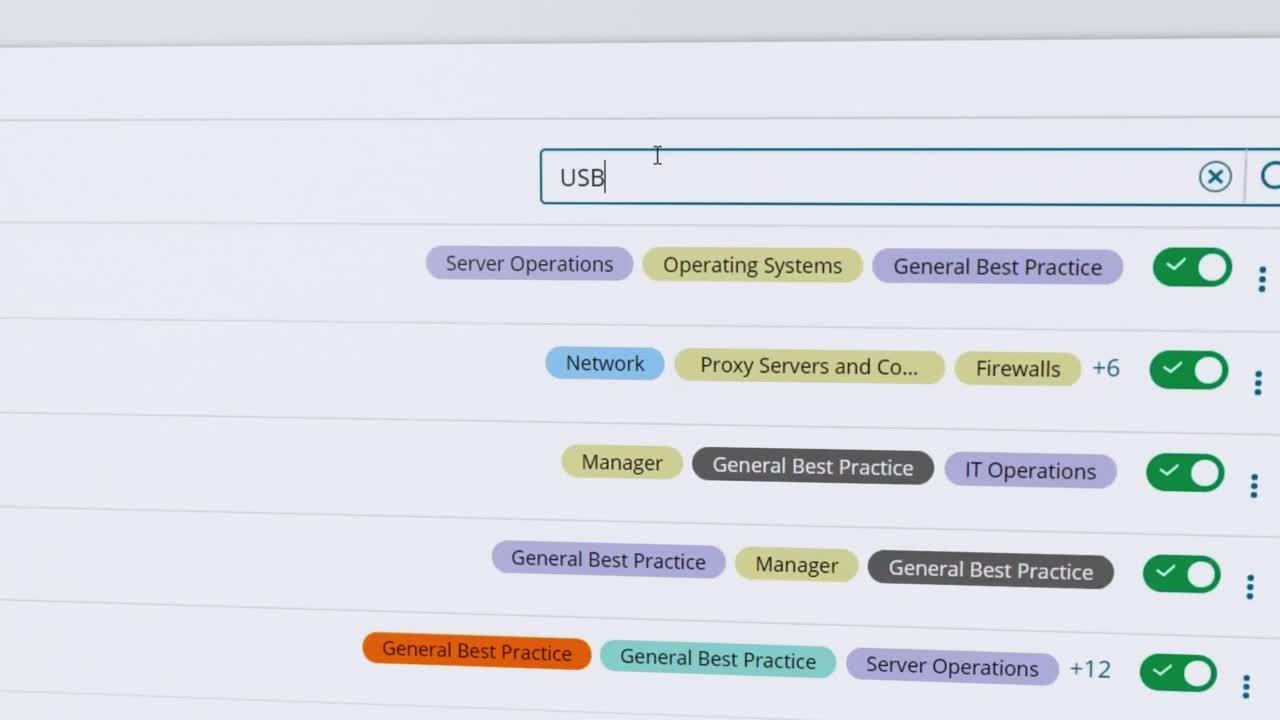
Use SEM to monitor local or remote SQL server databases for successful or failed attempts to access database tables, schemas, as well as configuration changes that may indicate security threats. SolarWinds SEM also includes hundreds of built-in correlation rule templates, making it easy to analyze log data along common metrics. In addition to being able to customize using existing templates, you can create new rules for analyzing SQL server logs to audit activity.
The threat intelligence feed in SEM features a continually updated list of known bad actors to compare against when auditing the security of your SQL servers and databases, with the ability to automatically tag suspicious activity. Security Event Manager also allows you to monitor server and database users to help improve and enforce security best practices in your organization.
A SQL server audit log is a file created during an audit of Microsoft SQL Server that lists the results. Running audits of SQL servers is essential to identifying SQL server security issues and potential breaches on the server. Auditing SQL is also a requirement to be in compliance with regulations like PCI DSS, HIPAA, and GDPR. To demonstrate compliance, organizations may be legally required to audit SQL server access records, report suspicious or malicious activity, or track login attempts, security changes, and other potential attack vectors.
The function of a SQL server audit is to combine different elements into a single record in reference to a specific set of server or database actions. During an audit, the object being audited collects a single instance of actions across the server or database to monitor. Determining the components to monitor during the audit is called “defining” the audit. By setting SQL Server audit specifications at the server and the database level, SQL server audits can help provide insights into relevant database or server activity.
When managing an audit in SQL server, it is important to create an audit specification object, which defines the events in the server and database that will be logged in the audit report. When defining which object will be undergoing the audit, you will also define a target where the SQL audit log files will be written, which can be a file, the Windows Security event log, or the Windows Application event log.
SQL server audit tools can read database transaction logs and audits to provide information about data and object changes that affect the database. Information about the user, application, or user that created each change on the server or database can be recorded, providing an added layer of security and accountability when looking to maintain best practices to keep a network free from malicious forces. SQL audit tools should include in-depth search capabilities, allowing network administrators to better understand the events taking place across the network in real time. Collecting and archiving SQL audit logs can also create a historical record to support forensic analysis and troubleshooting.
In addition to being required for certain regulatory compliance standards, SQL audit logs are important because they provide information that can be used to assess the security of SQL servers and databases. By using a central log management system to collect and normalize log data alongside SQL server audit logs, organizations can help improve their overall security monitoring strategy with comprehensive SQL server security insights.
The SQL server audit tools in Security Event Manager work to simplify cybersecurity and compliance by integrating a variety of monitoring processes into easy-to-use and understandable dashboards. SEM includes live filtering and historical search capabilities for log data, which allow you to see what’s happening across the network while also gaining insights from past activity when performing forensic analysis, troubleshooting, and investigating security breaches or other suspected threats.
Use SEM to monitor local or remote SQL server databases for successful or failed attempts to access database tables, schemas, as well as configuration changes that may indicate security threats. SolarWinds SEM also includes hundreds of built-in correlation rule templates, making it easy to analyze log data along common metrics. In addition to being able to customize using existing templates, you can create new rules for analyzing SQL server logs to audit activity.
The threat intelligence feed in SEM features a continually updated list of known bad actors to compare against when auditing the security of your SQL servers and databases, with the ability to automatically tag suspicious activity. Security Event Manager also allows you to monitor server and database users to help improve and enforce security best practices in your organization.
Security Event Manager
Simplify security compliance by monitoring processes from a straightforward dashboard.
Live filtering and search capabilities offer real-time and historical insight into the network.
Leverage hundreds of built-in correlation rules to easily log and analyze data.