- Events
-
Partners
- Government
- Customer Portal
- Contact Us
- Contact Sales
-
English
Endpoint data loss prevention (DLP) is a data protection strategy used to identify and prevent the leakage, loss, or misuse of sensitive data through breaches and unauthorized access to a network’s endpoints.
A DLP solution focuses on giving you complete visibility into all the data on your network, so you can better ensure security for the data—whether it’s in use by applications or endpoints, in motion across the network or over email, or at rest in network storage.
As the name suggests, endpoint DLP is specifically focused on monitoring your network endpoints and the sensitive data stored on them. This can include mobile devices, laptops, computers, servers, and cloud repositories.
An effective endpoint data loss prevention strategy is built around identifying and monitoring sensitive data to ensure only authorized users access the data. Endpoint DLP is also about ensuring authorized users aren’t unintentionally (or intentionally) putting sensitive data at risk. Endpoint DLP often uses predefined access policies intended to ensure data can’t leave a set virtual perimeter of your network.
Endpoint DLP mainly focuses on more vulnerable endpoints that are more likely to be the entry points for bad actors trying to breach data security. Effective strategies also focus on prioritizing and monitoring the most sensitive data, as this data would represent the costliest breaches.
Endpoint DLP is a critical preventative measure for companies today, as it helps protect sensitive data from outside threats as well as employee action while helping ensure compliance with data regulations.
Endpoint DLP helps protect against hackers who may target company networks to steal or ransom data. Traditional firewalls for perimeter and network security aren’t equipped to counter evolving threats in modern enterprise environments. Proactive measures make it harder for threat actors to gain privileged access to exfiltrate data.
Endpoint DLP can also reduce the chances of sensitive data being lost through portable devices by letting admins choose different trust levels for devices based on set criteria. This reduces the chances authorized users can export sensitive data to insecure USBs and other portable devices.
Endpoint data loss prevention also helps your corporate network simplify reporting and meet compliance requirements for regulations like HIPAA, PCI-DSS, GDPR, and more. Failing to achieve compliance comes at a high cost. Today’s data protection regulations often levy significant fines if companies are found to be negligent in their data protection efforts. If a breach occurs and the company is liable, the resulting fines could wipe out a business.
At the most basic level, endpoint DLP software helps organizations protect their data spread across numerous laptops, workstations, and other portable storage locations, both inside and outside the corporate network. Specifically, software solutions are built to monitor the data on your endpoints and collect activity logs, creating dynamic threat intelligence feeds to help you detect malicious traffic. In these feeds, you can:
A quality endpoint DLP solution can also download dynamic lists of known bad actors (including spammers, botnets, potentially infected hosts, command and control networks, and problematic IP networks) and automatically use this list to detect suspicious communication on your network.
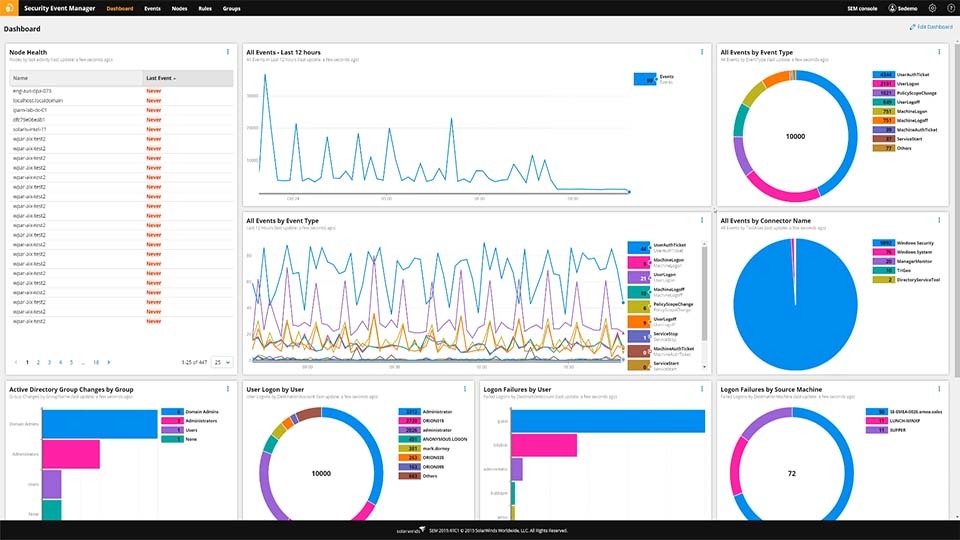
SolarWinds Security Event Manager (SEM) offers a powerful endpoint DLP solution beyond the basic elements of data loss prevention to help secure some of the most often-overlooked points of entry and data breach. SEM constantly monitors your network and its endpoints, collecting, centralizing, and analyzing your user activity logs, so you can get insight into the actions taken by all the users on your network. If any of those actions violate your policies, you’ll know right away, thanks to SEM’s real-time reporting.
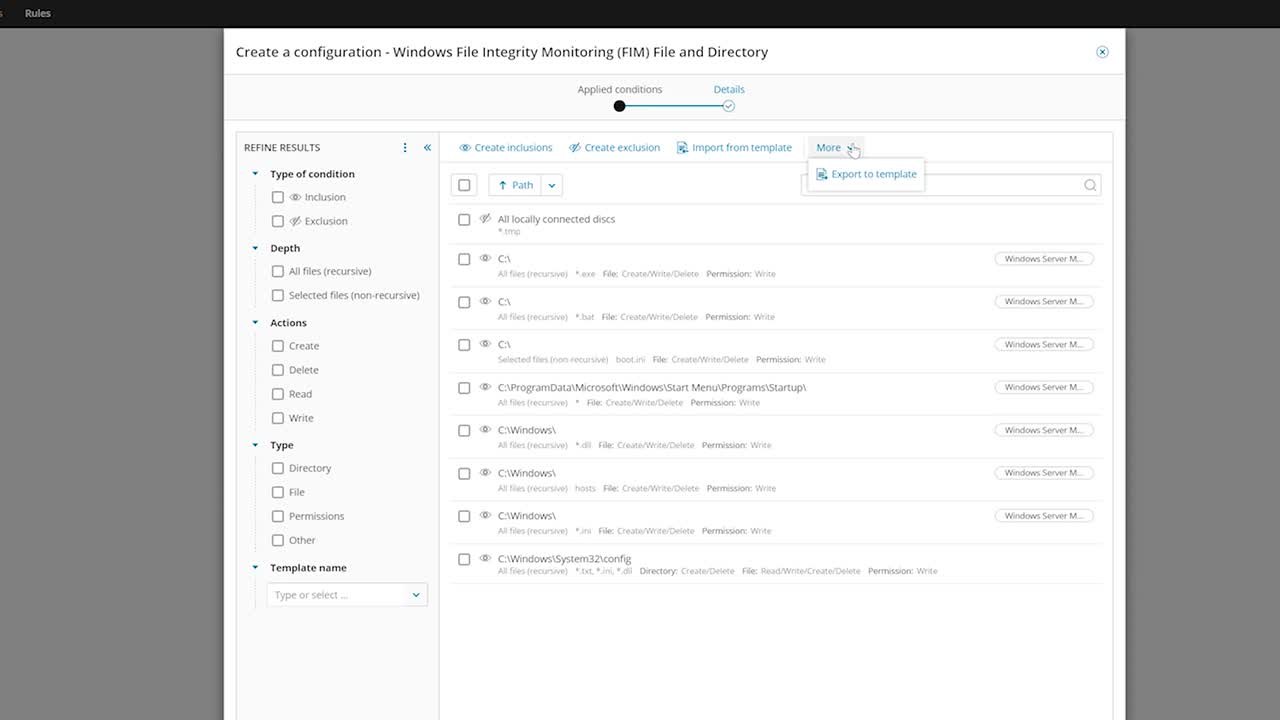
One of SEM’s biggest assets is its USB Defender feature. Endpoint DLP solutions overlook USBs far too often. Because USBs are usually unmonitored or only lightly monitored, they’re one of the easiest ways for bad actors to steal sensitive data. This feature monitors all the USBs on your network for suspicious activity. Plus, if SEM’s active-response technology detects a problem, it can automatically respond to the threat and mitigate the risk before you even have a chance to investigate it.
Endpoint data loss prevention (DLP) is a data protection strategy used to identify and prevent the leakage, loss, or misuse of sensitive data through breaches and unauthorized access to a network’s endpoints.
A DLP solution focuses on giving you complete visibility into all the data on your network, so you can better ensure security for the data—whether it’s in use by applications or endpoints, in motion across the network or over email, or at rest in network storage.
As the name suggests, endpoint DLP is specifically focused on monitoring your network endpoints and the sensitive data stored on them. This can include mobile devices, laptops, computers, servers, and cloud repositories.
An effective endpoint data loss prevention strategy is built around identifying and monitoring sensitive data to ensure only authorized users access the data. Endpoint DLP is also about ensuring authorized users aren’t unintentionally (or intentionally) putting sensitive data at risk. Endpoint DLP often uses predefined access policies intended to ensure data can’t leave a set virtual perimeter of your network.
Endpoint DLP mainly focuses on more vulnerable endpoints that are more likely to be the entry points for bad actors trying to breach data security. Effective strategies also focus on prioritizing and monitoring the most sensitive data, as this data would represent the costliest breaches.
Endpoint DLP is a critical preventative measure for companies today, as it helps protect sensitive data from outside threats as well as employee action while helping ensure compliance with data regulations.
Endpoint DLP helps protect against hackers who may target company networks to steal or ransom data. Traditional firewalls for perimeter and network security aren’t equipped to counter evolving threats in modern enterprise environments. Proactive measures make it harder for threat actors to gain privileged access to exfiltrate data.
Endpoint DLP can also reduce the chances of sensitive data being lost through portable devices by letting admins choose different trust levels for devices based on set criteria. This reduces the chances authorized users can export sensitive data to insecure USBs and other portable devices.
Endpoint data loss prevention also helps your corporate network simplify reporting and meet compliance requirements for regulations like HIPAA, PCI-DSS, GDPR, and more. Failing to achieve compliance comes at a high cost. Today’s data protection regulations often levy significant fines if companies are found to be negligent in their data protection efforts. If a breach occurs and the company is liable, the resulting fines could wipe out a business.
Security Event Manager
Unify and extract actionable intelligence from all your logs in real time.
Expedite threat response against malicious IPs, accounts, applications, and more.
Get out-of-the-box compliance reporting for HIPAA, PCI DSS, SOX, ISO, and more.