- Events
-
Partners
- Government
- Customer Portal
- Contact Us
- Contact Sales
-
English
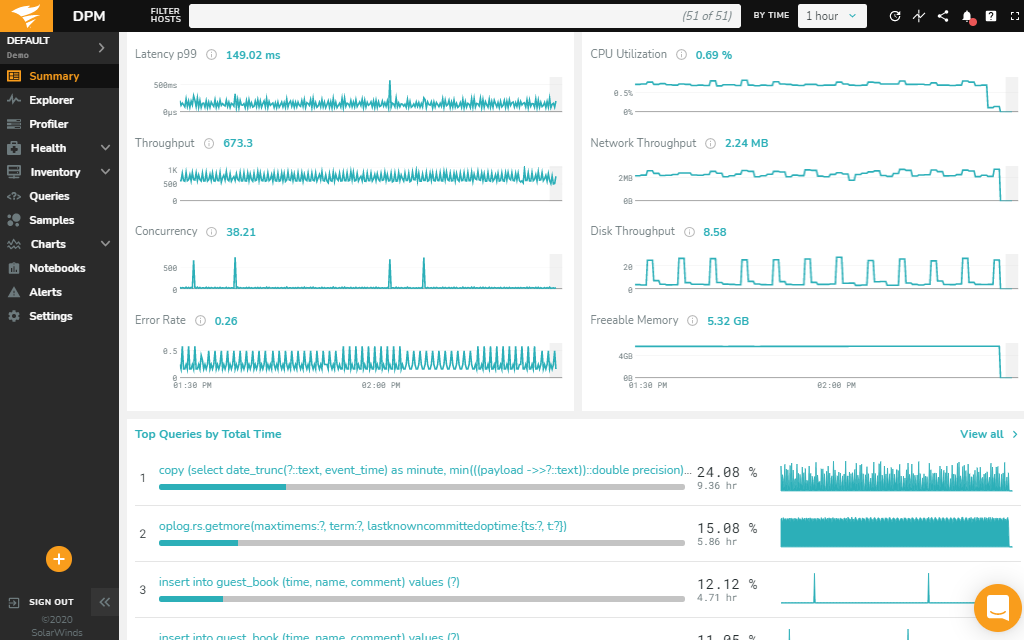
SolarWinds® Database Performance Monitor (DPM) makes it easier to identify which subsets of database workloads are consuming too many resources. Use those insights to achieve better performance from your servers, decrease your data center footprint, and offset hardware purchases—with the overall goal of reducing database infrastructure costs. Through its monitoring capabilities, DPM is built to provide actionable insights critical to optimizing your database instances and keeping your IT infrastructure costs low.
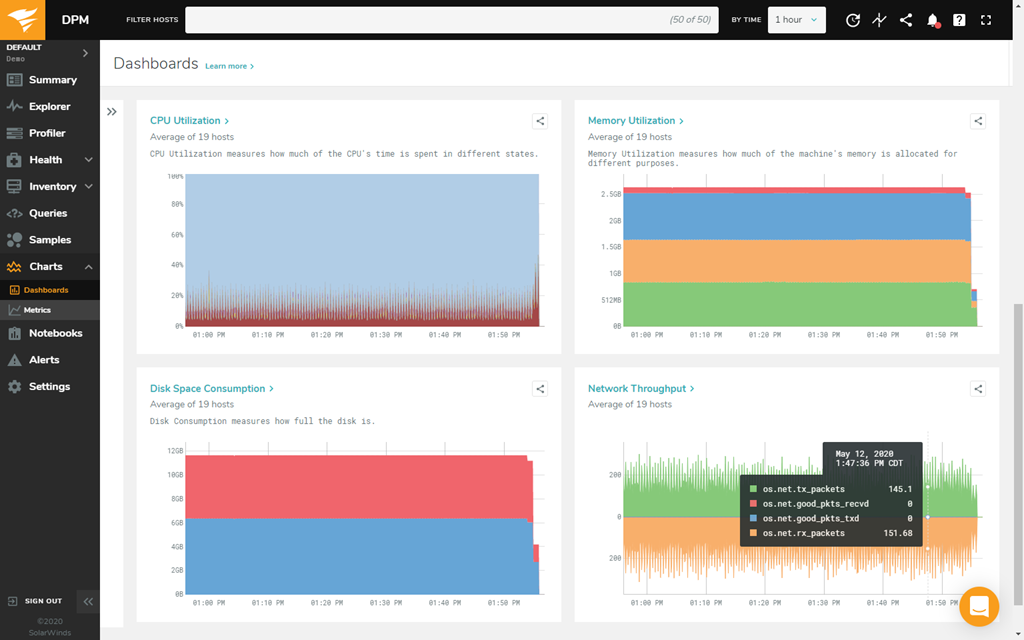
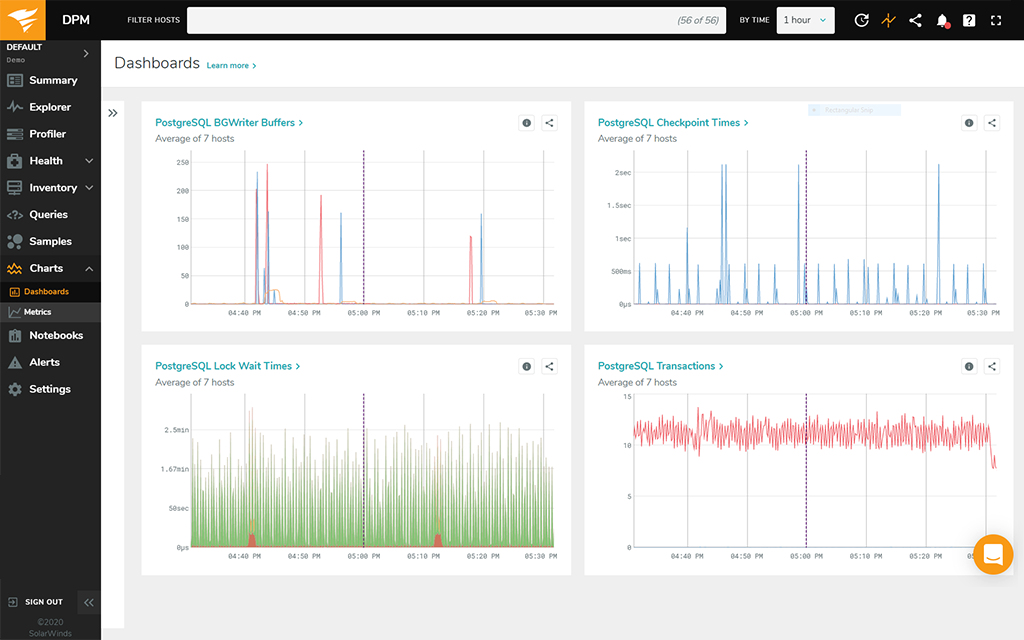
With customizable dashboards and charts, DPM is built to provide clear visibility into the health of your database instances and queries, enabling you to see which specific instances and queries need attention or optimization. Paired with proactive alerting and regular reports about system performance, you have a database software cost optimization solution designed to help ensure your systems are working efficiently, so you can better keep costs minimal.
DPM offers consolidated monitoring for your entire IT team, with insights into your entire stack from a single pane of glass. DPM is built to collect, organize, and analyze metrics from thousands of network nodes, offering easy-to-share graphs and charts based on high-level system data or granular analysis. By providing your entire engineering team with visibility into database performance, developers can better grasp how their code affects resource utilization and other team members can mitigate risks if a DBA is unavailable. This can help your organization reduce key-person risk, capacity risk, and process risk.
Help ensure your databases are optimized—before issues arise. DPM is designed to perform routine system checks every 15 minutes and display the results on the Best Practices page, so you can see the database instances or queries failing these checks.
The Best Practices page also provides analysis-driven optimization suggestions, directing you toward the specific areas of your network where performance and security could be negatively impacting your database software costs and IT infrastructure cost breakdown.
IT infrastructure supports applications built to offer end-user business functionality, and databases are a form of infrastructure. Costs related to your overall infrastructure include various database costs, including purchasing, monitoring, and maintenance costs.
IT infrastructure includes databases and other elements, including server, storage, and network infrastructure. Infrastructure can support applications that allow employees, customers, and other end users to access or engage with these same resources. Having the right type and sufficient amount of infrastructure resources is important for supporting services—while inefficiencies can cause higher costs than necessary.
Infrastructure and database costs can also be related to the environment. Organizations can house their infrastructure and applications on-premises, in the cloud, or in a hybrid environment with elements of both. There are advantages and IT infrastructure costs associated with each approach, but both specific needs and budget should determine this choice.
No matter where the infrastructure and applications used are housed, database infrastructure administering should also include monitoring and managing both infrastructure and databases performance to guarantee the availability and health of the systems, a process that can also add on extra costs, especially if problems arise.
While infrastructure and database monitoring and maintenance can add costs, it’s also critical for keeping other associated costs as low as possible, so you can fix problems quickly rather than over-purchasing resources or losing valuable business time due to downtime. Improving your problem resolution times often requires advanced tools that offer visibility into the performance of individual applications and other network components, with the end goal of ensuring infrastructure and database cost savings.
Several factors influence database costs, but some of the foundational costs are related to purchasing and database optimization.
Whether you decide to purchase or rent your infrastructure, equipment and resources can have a significant impact on your IT infrastructure cost breakdown, as these two options have very different pricing structures. Purchasing equipment increases your upfront IT infrastructure costs, after which you’re responsible for maintenance and upkeep costs, for instance, whereas renting allows you to offload those fees and risks to a third party for a monthly charge included in your cloud database costs.
Unoptimized databases are another significant contributor to database-related expenses. The process of optimizing your databases helps ensure you’re not over-provisioning infrastructure equipment and eases strain on your resources. By optimizing, you can save on database costs by renting fewer resources in the cloud, or, alternatively, by not purchasing more hardware for a malfunctioning database.
Other factors affecting your database infrastructure costs include development, support, maintenance, contingency plans, and backup solutions.
An efficient way to detect and avoid unnecessary IT infrastructure costs is to use a software solution built to provide an IT infrastructure cost breakdown alongside database infrastructure administering insights.
Tools can help reduce software and database infrastructure maintenance costs, while improving opportunities for faster and more effective collaboration between team members when solving problems. They can also help simplify your database infrastructure administering processes by using automation—streamlining time-consuming or error-prone tasks, minimizing disruptions, and giving your staff more time to attend to more pressing issues or initiatives.
Comprehensive and sophisticated network monitoring tools help point your team toward the root cause of issues and minimize the amount of time and money you’re devoting to database infrastructure maintenance. One useful tool feature is machine learning that provides adaptive fault detection related to your typical system behavior patterns. You gain insight into problems preventing work from being completing and can in turn affect performance or even business productivity. Faster insight into these anomalies means you can more easily address the root cause and prevent costly downtime.
Overall, tool-based insights help improve your ability to monitor, manage, and understand the relationship between database infrastructure costs and their effect on the business at large.
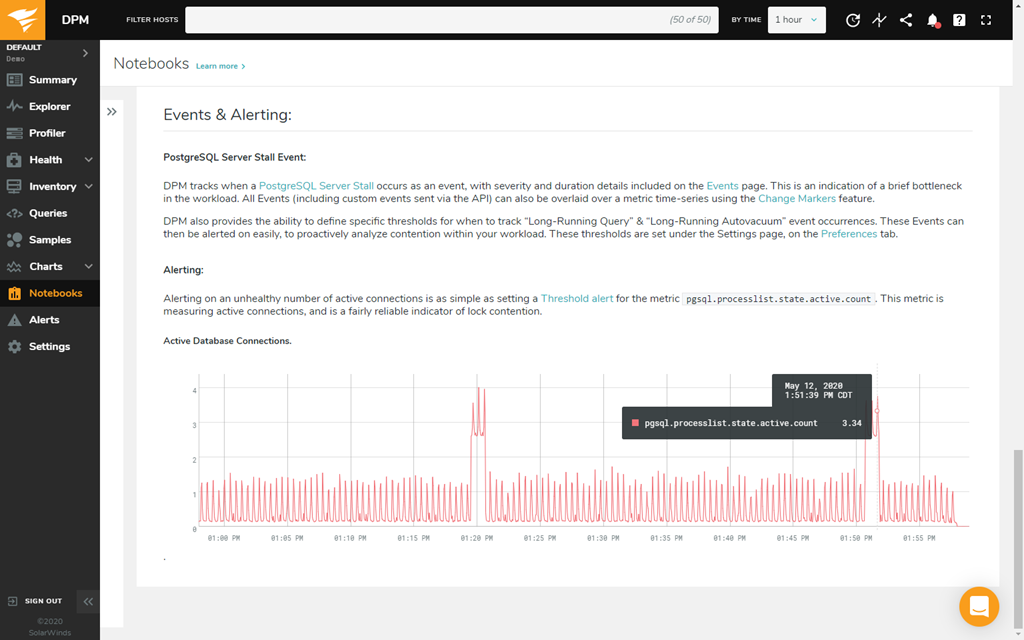
SolarWinds Database Performance Monitor offers capabilities to help you gain insight into database and infrastructure performance and costs, including anomaly detection, metrics reporting, shareable dashboards, and more. The following are some of the key in-depth features you can use to monitor costs more effectively.
DPM can also routinely review your operating system and database instances every 15 minutes, making note of which settings and configurations are out of alignment with established best practices. The Best Practices page allows you to see which checks your instances have passed for holistic visibility and ease of use. The page also lets you mute the checks you don’t need or want displayed—and any changes or updates can be applied to all hosts or to specific ones.
DPM monitoring capabilities are built to be even more granular, not only monitoring your database instances but also automatically comparing captured MySQL, PostgreSQL, and other queries against rules and checks for optimal query-writing practices. Any queries that fail these rule checks are also shown on the Best Practices page. If you enable query samples, DPM monitors your instances for opportunities to optimize your queries and indexes and can proactively alert you when any are detected.
Managing and optimizing database costs go a long way in supporting business goals, such as increasing revenue and optimizing or reducing current operating costs. Optimizing applications to increase speed and performance can improve the end-user experience and result in fewer troubleshooting requests as well. DPM also helps to reduce costs by consolidating multiple tools into a single platform, simplifying database infrastructure performance monitoring processes and providing consolidated views of the insights you care about.
Additionally, DPM is a Software as a Service (SaaS) solution, which can benefit the bottom line of your IT infrastructure cost breakdown.
IT infrastructure supports applications built to offer end-user business functionality, and databases are a form of infrastructure. Costs related to your overall infrastructure include various database costs, including purchasing, monitoring, and maintenance costs.
IT infrastructure includes databases and other elements, including server, storage, and network infrastructure. Infrastructure can support applications that allow employees, customers, and other end users to access or engage with these same resources. Having the right type and sufficient amount of infrastructure resources is important for supporting services—while inefficiencies can cause higher costs than necessary.
Infrastructure and database costs can also be related to the environment. Organizations can house their infrastructure and applications on-premises, in the cloud, or in a hybrid environment with elements of both. There are advantages and IT infrastructure costs associated with each approach, but both specific needs and budget should determine this choice.
No matter where the infrastructure and applications used are housed, database infrastructure administering should also include monitoring and managing both infrastructure and databases performance to guarantee the availability and health of the systems, a process that can also add on extra costs, especially if problems arise.
While infrastructure and database monitoring and maintenance can add costs, it’s also critical for keeping other associated costs as low as possible, so you can fix problems quickly rather than over-purchasing resources or losing valuable business time due to downtime. Improving your problem resolution times often requires advanced tools that offer visibility into the performance of individual applications and other network components, with the end goal of ensuring infrastructure and database cost savings.
Several factors influence database costs, but some of the foundational costs are related to purchasing and database optimization.
Whether you decide to purchase or rent your infrastructure, equipment and resources can have a significant impact on your IT infrastructure cost breakdown, as these two options have very different pricing structures. Purchasing equipment increases your upfront IT infrastructure costs, after which you’re responsible for maintenance and upkeep costs, for instance, whereas renting allows you to offload those fees and risks to a third party for a monthly charge included in your cloud database costs.
Unoptimized databases are another significant contributor to database-related expenses. The process of optimizing your databases helps ensure you’re not over-provisioning infrastructure equipment and eases strain on your resources. By optimizing, you can save on database costs by renting fewer resources in the cloud, or, alternatively, by not purchasing more hardware for a malfunctioning database.
Other factors affecting your database infrastructure costs include development, support, maintenance, contingency plans, and backup solutions.
An efficient way to detect and avoid unnecessary IT infrastructure costs is to use a software solution built to provide an IT infrastructure cost breakdown alongside database infrastructure administering insights.
Tools can help reduce software and database infrastructure maintenance costs, while improving opportunities for faster and more effective collaboration between team members when solving problems. They can also help simplify your database infrastructure administering processes by using automation—streamlining time-consuming or error-prone tasks, minimizing disruptions, and giving your staff more time to attend to more pressing issues or initiatives.
Comprehensive and sophisticated network monitoring tools help point your team toward the root cause of issues and minimize the amount of time and money you’re devoting to database infrastructure maintenance. One useful tool feature is machine learning that provides adaptive fault detection related to your typical system behavior patterns. You gain insight into problems preventing work from being completing and can in turn affect performance or even business productivity. Faster insight into these anomalies means you can more easily address the root cause and prevent costly downtime.
Overall, tool-based insights help improve your ability to monitor, manage, and understand the relationship between database infrastructure costs and their effect on the business at large.
SolarWinds Database Performance Monitor offers capabilities to help you gain insight into database and infrastructure performance and costs, including anomaly detection, metrics reporting, shareable dashboards, and more. The following are some of the key in-depth features you can use to monitor costs more effectively.
DPM can also routinely review your operating system and database instances every 15 minutes, making note of which settings and configurations are out of alignment with established best practices. The Best Practices page allows you to see which checks your instances have passed for holistic visibility and ease of use. The page also lets you mute the checks you don’t need or want displayed—and any changes or updates can be applied to all hosts or to specific ones.
DPM monitoring capabilities are built to be even more granular, not only monitoring your database instances but also automatically comparing captured MySQL, PostgreSQL, and other queries against rules and checks for optimal query-writing practices. Any queries that fail these rule checks are also shown on the Best Practices page. If you enable query samples, DPM monitors your instances for opportunities to optimize your queries and indexes and can proactively alert you when any are detected.
Managing and optimizing database costs go a long way in supporting business goals, such as increasing revenue and optimizing or reducing current operating costs. Optimizing applications to increase speed and performance can improve the end-user experience and result in fewer troubleshooting requests as well. DPM also helps to reduce costs by consolidating multiple tools into a single platform, simplifying database infrastructure performance monitoring processes and providing consolidated views of the insights you care about.
Additionally, DPM is a Software as a Service (SaaS) solution, which can benefit the bottom line of your IT infrastructure cost breakdown.
Database Performance Monitor
Choose a SaaS database infrastructure performance monitoring platform with a web-based user interface
Monitors databases in the cloud, locally, or hybrid
Real-time and historical data to pinpoint performance issues